KadTech, independent engineering studio

AI that connects to real systems, and the integration work that makes it possible.

We build agents on Claude that work through your actual systems, the MCP servers that give them scoped access, and the EDI, ERP and database integration underneath. Limits are enforced in code, not left to a prompt.

illustration: a refund agent, six tools, one hook
request answer AGENT Claude tool get_customer tool lookup_order MCP server EDI standards MCP server E-Business Suite tool process_refund tool escalate_to_human stop_reason: tool_use
transcriptclaude agent sdk
tool_useThe model asks for a tool. Your code runs it and returns the result.
end_turnThe loop repeats until the model has an answer, then stops on its own.
PreToolUse hookEvery call passes through code first. A refund over $500 is denied there, not by asking nicely.
01 / AI integration

Agents that do the work inside the systems you already run.

Three things we build, each connected to real data and each held to rules that live in code. A model decides what to try next; hooks, scopes and schemas decide what it may actually do.

A

Agents on the Claude Agent SDK

Agents that plan, call your tools and hand focused work to subagents. Hooks enforce the limits in code: amounts, approvals, who may touch what. Anything the agent should not finish goes to a person, with the context attached.

Claude Agent SDKsubagentshooks
B

MCP servers for business systems

Model Context Protocol servers that give AI a narrow, typed view of E-Business Suite, databases and document stores. It reads what the task needs and writes only what it is allowed to. Nothing else is reachable.

Model Context ProtocolOracle EBSPostgreSQL
C

Document extraction with schema validation

Invoices, orders and forms read into JSON that must pass a JSON schema before anything uses it. A field that fails the schema or reads with low confidence goes to a person for review instead of into your system.

JSON schemareview routing
D

AI-assisted engineering. Claude Code configured for your repository: project rules, hooks, subagents, and automated review running in CI.

$ claude /review hooks subagents CI
Dashboards

What the work looks like.

Integration work ends in a screen that people rely on every day, and these six samples, all built on invented data, show the kinds of dashboards that come out of it.

Integrations / Overview

Integration operations

LiveLast 24 hoursAll environments
Flows today
48,213
+4.2% vs yesterday
Open faults
37
+6 in the last hour
Avg latency
412ms
p95 1,180 ms
Environments healthy
3of 4
UAT degraded since 13:12

Instances by hour

CompletedFaulted

Environment health

uptime 30d
PRODHealthy
99.98%p95 1.2s12 nodes
UATDegraded
99.41%p95 4.8s4 nodes
TESTHealthy
99.87%p95 1.6s4 nodes
DEVHealthy
99.52%p95 2.1s2 nodes

Recent faults

6 of 37 open
SeverityFlowEnvErrorAge
Trading partners / Transactions

EDI trading partner monitor

LiveTodayX12 4010 and 5010
PartnerDocumentDirControlStatusTime

Acknowledgements

today
    Oldest awaiting 9972h 41m
    Partners active14
    Interchanges today612
    In progressFollow
    CustomerGlobex Supply
    Order value$48,250.00
    Lines6
    OpenedSep 26, 09:14
    Promise dateOct 2

    Milestones

    4 of 6 reached
    1. QuoteQ-88104
      Sep 25, 16:40
    2. OrderSO-204817
      Sep 26, 09:14
    3. Credit checkApproved
      Sep 26, 09:15
    4. Provisioning4 of 6 lines
      for 04:41:36
    5. ShippedExpected
      Sep 29
    6. InvoicedOn shipment
      810 to partner
    Activity
    • Line 4 of 6 provisioned, license key issued
    • Provisioning started for 6 lines
    • Credit approved, exposure $48,250.00 of $250,000.00
    • Order SO-204817 created from quote Q-88104

    Systems it passed through

    6
    • Quote serviceREST, Q-88104
      1.2s
    • Order managementSOA, SO-204817
      840ms
    • Credit serviceAPI, limit $250k
      340ms
    • Provisioning API4 of 6 lines done
      running
    • WarehouseEDI 940 queued
      waiting
    • BillingNot started
      waiting
    Billing / Claims

    Claims and billing

    Harbor ClinicsSep 1 to Sep 27
    Eligible4,812
    100%
    Billed 8374,655
    96.7%
    999 accepted4,649
    96.6%
    277 accepted4,511
    93.7%
    835 paid3,968
    82.5%
    Denied143
    3.0%

    Recent claims

    Contoso Health
    ClaimProviderServiceBilledPaidStatus

    Balance check

    Balanced
    Billed$1,284,560.00
    Paid$1,102,318.40
    Adjusted$182,241.60
    CO contractual$151,020.35
    PR patient responsibility$24,806.25
    PI payer initiated$6,415.00
    Billed less paid less adjusted$0.00
    Sites / Acme Parts DC 3

    Connected devices

    StreamingLast 30 min
    12devices
    10online
    1alert
    1offline
    2slast reading

    Alerts

    today
    • Chiller 2 above 7.0 °CWarning

      Lab, 12 minutes above threshold, compressor cycling.

    • Gateway B no heartbeatOffline

      IDF 2, 3 sensors buffered on Gateway A.

    • Door 4 held openResolved

      Loading bay, open 6 minutes, closed by dock staff.

    • Power peak 91.3 kWInfo

      Main panel, within contract demand.

    Data quality / Rules

    Data quality and validation

    LiveLast 14 days
    Records checked
    1,204,882
    today, 6 sources
    Pass rate
    99.62%
    +0.23 vs last week
    Open findings
    418
    31 errors, 387 warnings
    Rules failing
    22of 230
    6 categories

    Rules by category

    PassingFailing

    Error rate, 14 days

    % of records

    Validation findings

    newest first
    RecordRuleFindingSeveritySource
    01 Operations
    control

    A model that decides. Code that holds the line.

    The model chooses the next tool. Your hooks, schemas and server scopes decide what it is allowed to do with it, and a person sees whatever falls outside those limits.

    02 / Enterprise integration

    The software between your systems.

    EDI in X12, EDIFACT, HL7 and HIPAA. AS2, SFTP, REST, SOAP, JMS and file exchange with trading partners and VANs. Oracle SOA Suite, Service Bus, B2B and WebLogic, Boomi, and IBM WebSphere integration. Oracle E-Business Suite order to cash, Oracle CPQ, Fusion Cloud, Salesforce and SAP. Migrations across every SOA generation, from SOA to Boomi, and from Oracle to PostgreSQL.
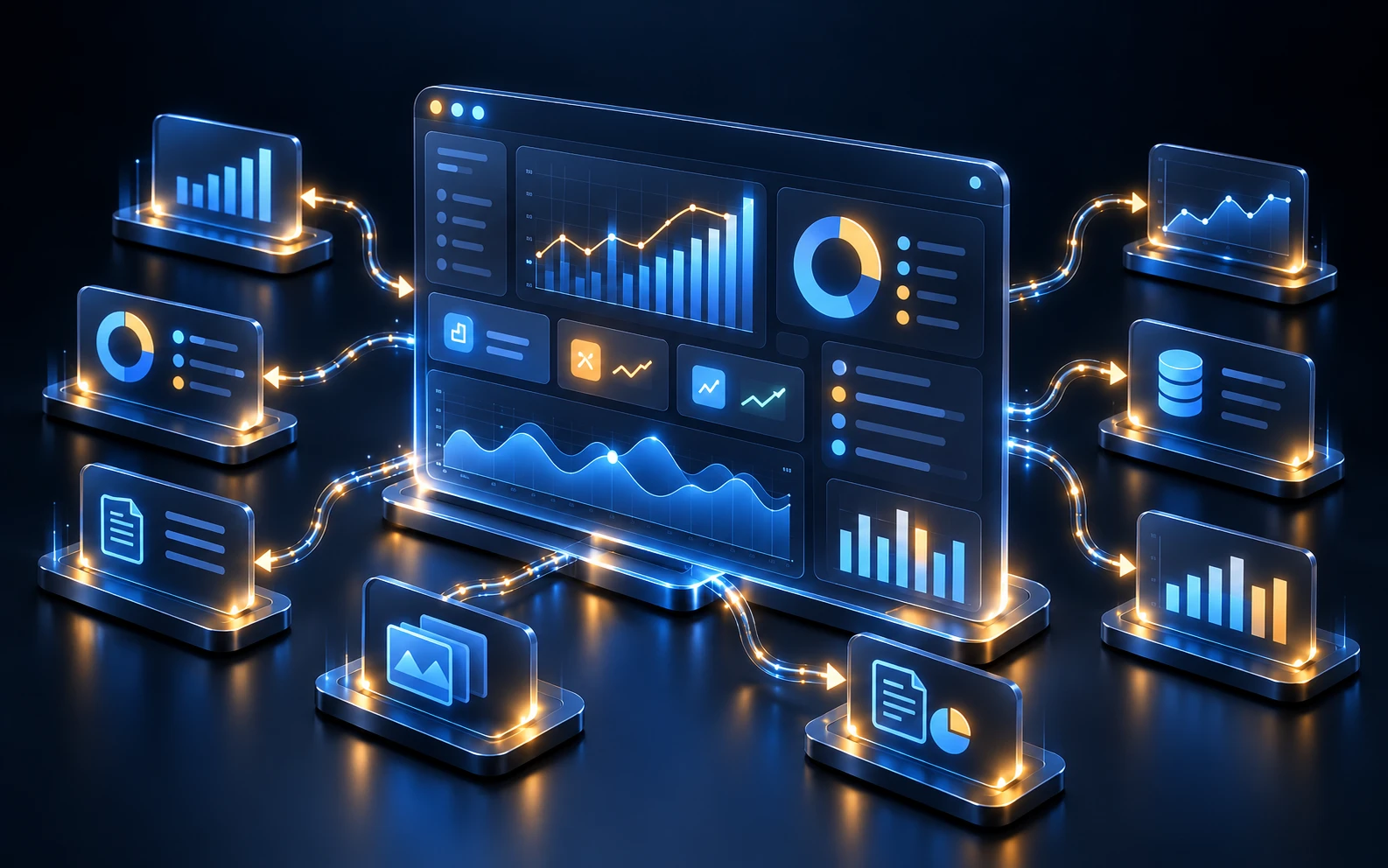
    Trading partner850 order
    AS2signed receipt
    DecodeX12 or EDIFACT
    Canonicalone document
    E-Business Suitepublic APIs
    Back to partner856 and 810
    standardsX12, EDIFACT, HL7, HIPAA, EN 16931
    transportAS2, SFTP, REST, SOAP, JMS, AQ
    platformsSOA Suite, Service Bus, B2B, WebLogic, Boomi
    applicationsE-Business Suite, CPQ, Fusion Cloud, Salesforce, SAP
    03

    Application development

    Back ends in Java (servlets, JAX-RS, JSF, ADF), Node.js and Python on WebLogic and beyond. Front ends from single page dashboards and component libraries to Chrome extensions and desktop line of business applications.

    04

    Platforms and operations

    Environments stood up and kept running: WebLogic domains, VMware, sites and services behind Cloudflare, monitoring and alerting, ticketing integration, and deploy pipelines in Ant, WLST and PowerShell.
    05

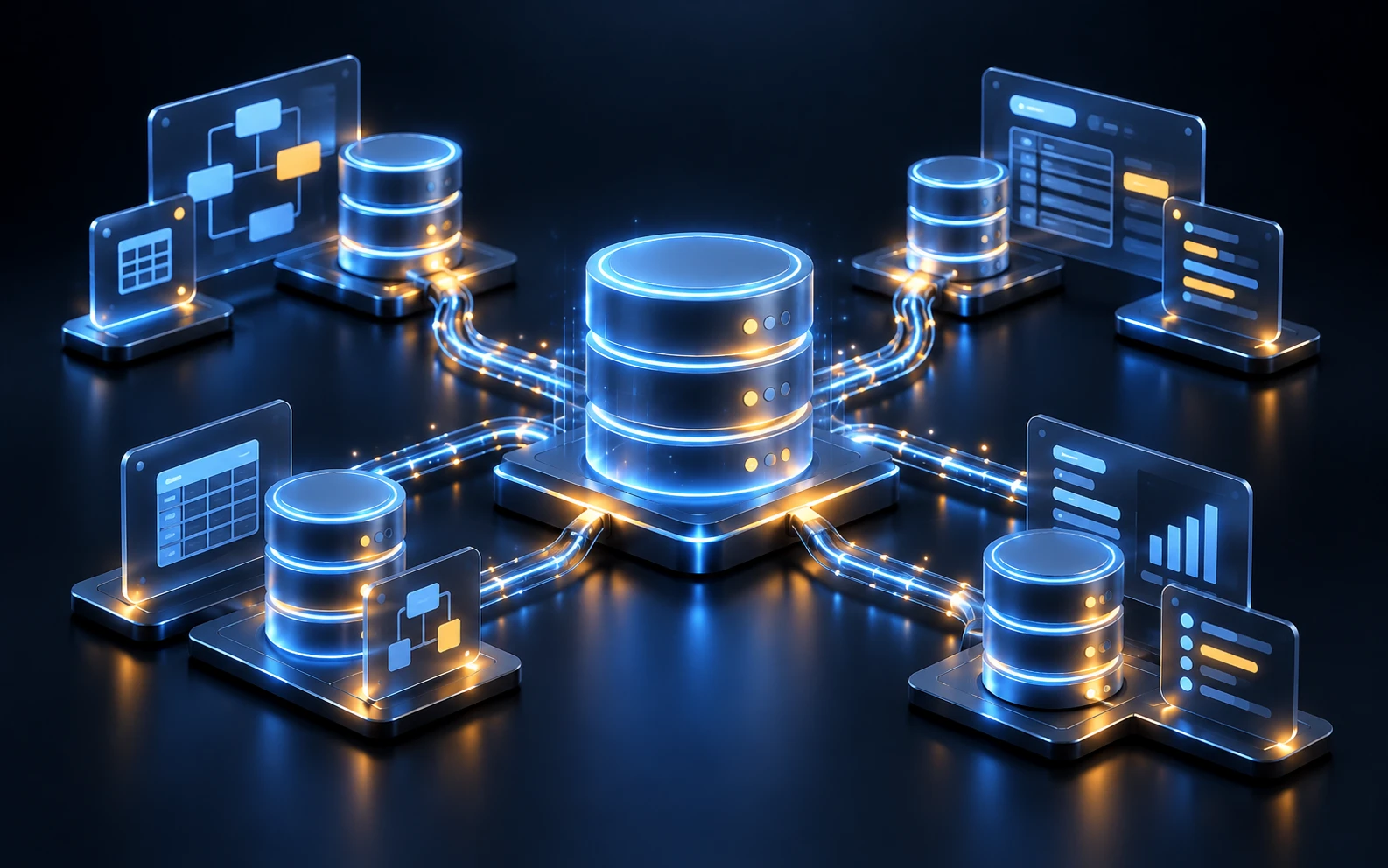
    Data, databases and automation

    Oracle, SQL Server, PostgreSQL, Sybase and SQL Anywhere: schema design, PL/SQL and T-SQL, tuning, GoldenGate and Informatica, and scheduled jobs that collect, score and report unattended.

    Custom software, built with AI

    Software that fits your business, not the other way round.

    Off the shelf platforms ask a business to reshape its process around someone else's product, then charge for every seat, every module and every year. AI-accelerated engineering changes the arithmetic. We design and build applications around the way you actually work, deliver them in weeks rather than quarters, and hand you software you own outright.

    Subscription platformBuilt for you
    FitYour process adapts to the product's modelThe software models your process, your terms and your exceptions
    OwnershipLicensed; the roadmap belongs to the vendorYours: the source, the data and the roadmap
    CostPer seat and per module, recurring and rising with growthBuilt once, run on infrastructure you choose, no charge per user
    DataHeld in the vendor's cloud, exported on their termsHeld where you decide, in a schema you can query
    IntegrationLimited to the connectors on the price listConnected directly to your ERP, databases, partners and files
    ChangeFeature requests join a queueChanges made in days, with tests proving nothing else moved
    01

    See it before it is built

    A gallery of working prototypes of the real screens, on your data shapes, so decisions are made by looking rather than by reading specifications.

    02

    Built fast, reviewed by engineers

    AI writes and refactors at speed; senior engineers set the architecture, review every change and own the result. Speed from the model, judgement from experience.

    03

    Proved, not assumed

    Automated tests and regression harnesses written beside every feature and shown to fail without the fix, so the next change does not quietly break the last one.

    04

    Yours to run

    Few dependencies, readable code, deployment scripts, monitoring and documentation, so it can be run and extended by your team or ours.

    Where a platform is the right answer, we say so, and integrate with it cleanly. The standard we hold either way: secure by default, accessible, observable in production, and simple enough to hand over.

    Selected work

    Built, running and measured.

    All of it built by KadTech. Several are live and linked; the rest run every day on our own machines.

    Integration platform

    Switchboard

    A configuration-driven orchestration framework for EDI and XML trading partner flows. It creates real orders and invoices in Oracle E-Business Suite 12.2 through Oracle's own public APIs and runs order to cash end to end.

    order
    pick
    ship
    invoice
    856
    810
    • X12 4010 and 5010 beside EDIFACT; AS2 with signed receipts, REST and file exchange
    • A healthcare estate (834, 837, 835, 277, 999) and EU e-invoicing (EN 16931, Factur-X PDF/A-3)
    • Engine moved from Oracle SOA Suite and PL/SQL to Java on PostgreSQL, proved equal route by route before the switch
    • Web console with named accounts, live monitoring and partner onboarding
    Standards workbench

    EDI Standards workbench

    Reads, validates, decodes and converts X12, EDIFACT and HL7 against their implementation guides. Validation names the exact element at fault; 999 and 997 acknowledgements are written from the findings.

    76X12 versions, 2000 to 7010
    192implementation guides
    Migration analyzer

    soa2boomi

    Inventories Oracle SOA composites and classifies every construct against Boomi's shapes and connectors, so a migration is estimated from evidence. Standard Python only, with tokenised reports so client source never leaves the client's machine.

    98.5% mechanical21 composites
    Training live

    Claude Code Architect

    A free study guide for the Claude Certified Architect exam: all 30 task statements, practice in the six exam scenarios, a timed mock exam and decision drills.

    kadtech.net/claude-code-architect
    Education live

    StudyHall

    A school dashboard for families: grades, homework and study pulled together from the district's systems, plus a free public library of 164 worksheets and practice generators aligned to state standards.

    studyhall.kadtech.net
    Operations

    Ops Control

    The supervisor for every service KadTech runs. It starts, watchdogs and restarts the application servers, Node services, databases and the Cloudflare tunnel, with one status dashboard.

    Data products

    The Radar family

    FlipRadar scores resale deals on margin and ease of pickup. DealRadar runs one search across Amazon, Walmart, Target, Best Buy and eBay. HavenRadar covers rental houses in 32 curated markets. GadgetRadar reads about 30 technology feeds every 90 minutes.

    Chrome extension

    KadTech Tools

    One Chrome extension that merges six tools, so one icon replaces six.

    Tooling

    code-normalizer

    A formatter that proves it changed nothing but layout, by re-reading its own output and comparing every token.

    Capabilities in depth

    What is under the hood.

    The detail a technical buyer asks about first. Every item below is built, running and tested in our own integration estate, against a real Oracle E-Business Suite instance.

    Integration platform

    Switchboard

    A configuration-driven orchestration platform for trading partner flows. Routes, partners, maps, enrichment and validation rules are data, not code, so a new partner or document is configured rather than programmed. It creates real orders and invoices in Oracle E-Business Suite and runs order to cash end to end.

    Channels
    AS2 with signed receipts, marked delivered only when the receipt confirms the exact bytes sent; SFTP and file exchange; REST; JSON, CSV and flat files
    Standards
    X12 4010 and 5010 beside EDIFACT, every partner document in both; 850, 855, 856, 810, 997 and their EDIFACT equivalents ORDERS, ORDRSP, DESADV, INVOIC, CONTRL
    Routing
    One document fanned out to many partners by subscription; VAN customers addressed at interchange or group level; per partner wire identifiers from a registry, never constants
    ERP
    Order Management and Receivables through Oracle's public APIs; XML Gateway and e-Commerce Gateway trading partner setup written from one screen, with a drift check across the whole estate
    Reliability
    Functional acknowledgements sent and reconciled; a refused order still answered with an 855 naming the reason; replay on the original transaction; a health watchdog on the queue and on work nobody collected
    Engines
    The same routes run on Oracle SOA Suite, on a database runner, or on a Java engine over Oracle or PostgreSQL, each proved equal hop for hop before being trusted
    Console
    Named accounts with salted, hashed passwords, roles and lockout; a monitor in business or technical language; partner onboarding, route editing, test bench, saved test suites and full audit
    European e-invoicing

    EN 16931 and Factur-X

    Governments across Europe are moving business invoices from PDFs and paper to structured e-invoices that a machine can read and a tax authority can check. We produce invoices that meet the European standard, EN 16931, and deliver them in the formats and channels the mandates require.

    Standard
    EN 16931, the European core invoice: one semantic model of business terms, carried in its three permitted syntaxes, UN/CEFACT CII, OASIS UBL 2.1 and EDIFACT INVOIC
    Hybrid invoices
    Factur-X and ZUGFeRD: a human readable PDF/A-3 with the CII XML embedded inside it, so one file serves the reader and the machine
    Business rules
    Invoices checked against the published EN 16931 rules before they leave: totals that reconcile (line net, VAT breakdown, grand total), mandatory seller and buyer addresses, VAT identifiers, currency and dates
    Honest profiles
    An invoice claims the EN 16931 profile only when it carries everything that profile requires, and falls back to a lower Factur-X profile otherwise, because a false conformance claim is refused on arrival
    Filing
    Routes that assemble the Factur-X file and submit it to an accredited e-invoicing platform, alongside EDI and API delivery to trading partners
    Validation
    Our standards workbench holds the EN 16931 model in all three syntaxes with its business rules and code lists, and checks an invoice map itself, not just one invoice it produced
    Healthcare EDI

    HIPAA end to end

    The full claims cycle, built and exercised: enrollment in, claims out, and every answer a payer sends back, reconciled and balanced.

    Enrollment
    834 enrollment loaded into a member registry where eligibility is a coverage span, so every claim is judged against the coverage in force on the service date
    Claims
    837 professional claims written to the 005010X222A1 implementation guide, with the element dictionary verified position by position against the published guides
    Responses
    999 acknowledgements, 277 claim status and 835 remittance handled on the way back; a rejection frees the work, a denial does not
    Balancing
    Every 835 balanced at the line, the claim and the transaction before anything is posted; contractual adjustments written off, patient responsibility kept billable
    Testing
    Saved test suites that keep the negative cases, such as a service outside coverage and a mileage code with no miles, because a suite that only passes proves nothing
    Standards engine

    EDI validation and decoding

    A standards engine that reads a document the way its implementation guide says it should be read, and explains every finding in plain language.

    Coverage
    X12 in every version from 2000 to 7010, EDIFACT directories, HL7 version 2, and HIPAA and X12N implementation guides
    Validate
    Structure, element, code list and syntax rule checks, each finding naming the loop, segment and element at fault and marking it in the document
    Answer
    999 and 997 acknowledgements written from the findings, and read back against their own guide before they are trusted
    Decode and convert
    Every segment and value named and explained, code values translated, and conversion to XML with its schema
    Compare and test
    Guide to guide comparison, coverage of what real files exercise, and sample documents generated from a guide for partner testing
    Portable
    A validator delivered as a single HTML file that runs offline in a browser, for partners who cannot install software
    Architecture patterns

    Proven patterns, applied with judgement.

    The design patterns behind the systems we build, chosen for the problem rather than the fashion. Each is one we have put into production and can explain the tradeoffs of.

    Integration

    Canonical data model
    Every partner format translated once into a shared business document, so a new partner means one map, not a new flow.
    Configuration-driven routing
    Routes, steps, rules and partners held as data, changed without a code release.
    Orchestration and publish/subscribe
    A central flow where order matters; fan-out by subscription where one document serves many receivers.
    Guaranteed delivery
    Queued, idempotent processing keyed on the business reference, acknowledgements reconciled, replay on the original transaction.

    Modernisation

    Parallel run
    Old and new platforms process the same traffic side by side and are reconciled before the old one is retired.
    Incremental replacement
    A system replaced one flow at a time behind a stable interface, never in a single weekend.
    Equivalence testing
    Two implementations held to the same answer, hop by hop, as the proof a migration is complete.
    Chunked synchronisation
    Large data moved in resumable chunks with watermarks, overlap guards and a circuit breaker.

    AI systems

    Coordinator and specialists
    A lead agent decomposes the work and delegates to focused subagents with their own tools and context.
    Guardrails in code
    Hooks and scoped permissions enforce what an agent may do; policy is never left to a prompt alone.
    Scoped tool access
    MCP servers expose exactly the reads and writes a task needs, and nothing more.
    Validated output, human review
    Structured output checked against a schema, with low confidence and exceptions routed to a person.

    Applications and operations

    Single page applications on thin services
    Fast, focused front ends over small, well defined JSON APIs.
    Rules as data
    Validation and business rules held in tables and editable by the business, evaluated by one engine.
    Observability first
    Health, faults and business status read from the system itself and surfaced in one place.
    Harness-first verification
    Checks that run the real code path, written before the change and kept as the regression suite.
    About

    Our experience.

    KadTech brings more than 25 years of enterprise integration and application delivery. Our work is the systems in the middle: the interfaces that connect ERP, order management, quoting, claims, billing, connected devices and trading partners, and the databases underneath them. We carry a project from architecture through build, migration, cutover and production support, and we stay for the runbook, the training and the handover.

    25+ yearsdesigning, building and running enterprise integration
    End to endarchitecture, build, migration, cutover and production support
    X12, EDIFACT, HL7supply chain, healthcare and e-invoicing standards
    AI-firstagentic development on Claude, checked by automated tests

    Industries we have served

    • Healthcare and health insurance
    • Medical devices
    • Medical transportation and Medicaid claims
    • Technology and software licensing
    • Financial markets
    • Telecommunications
    • Aerospace and defense
    • Supply chain and distribution
    • Food service
    • Publishing and media
    • Government

    Roles we take on

    • Integration architect
    • Technical and development lead
    • Hands-on developer
    • Database designer and tuner
    • Migration and upgrade lead
    • Production support lead
    • Technical design and documentation
    • Trainer and mentor

    What we have delivered

    Platform upgrades and migrations

    Oracle SOA Suite and Service Bus across every generation from 10g to 14c, with the WebLogic domains, adapters and B2B beneath them. Service Bus estates rebuilt with automated tests around the key flows, and phased moves to Boomi with both platforms running side by side and reconciled before each flow was retired.

    EDI and B2B programs

    Well over a hundred trading partner integrations in X12 and EDIFACT: orders, acknowledgements, ship notices, invoices, remittance and eligibility. HIPAA enrollment, claims, claim status and remittance templates, AS2 with signed receipts, VAN onboarding, Oracle B2B end to end, and EU e-invoicing to EN 16931.

    ERP and application integration

    Oracle E-Business Suite order to cash through its public APIs, XML Gateway and e-Commerce Gateway, plus Oracle CPQ, Oracle Fusion Cloud, Salesforce and SAP (ALE, BAPI, RFC and IDoc), with the business rules and decision logic that sit between them.

    Connected devices

    Device to cloud and cloud to on-premises data feeds for networked medical equipment, an aggregation engine for raw device data and log files in real time and in batch, and the tracking front ends field teams work from.

    Data platforms

    Oracle from 8i to 21c including Exadata: schema design, PL/SQL packages, partitioning, tuning and benchmarking, with batch work cut from hours to minutes. GoldenGate replication, Informatica, SQL Server, PostgreSQL and Sybase, and migrations from Oracle to PostgreSQL proved equal before the switch.

    Operations and support tooling

    One operations view across every integration a business runs on, read from the platform itself, with ticketing, shared mailboxes and chat beside it. End to end order tracking, server side validation testing, stuck record recovery, alerting within minutes of a fault, and maintenance calendars built from captured notices.

    Regulatory and analytics systems

    Trading floor surveillance and market manipulation analysis over very large daily volumes, feeding enforcement cases, and claims processing platforms extended and tuned for throughput.

    Applications and front ends

    Java web applications on WebLogic, Node.js services, single page dashboards, Chrome extensions, and a long history of desktop line of business applications, each built to be run and supported, not just shipped.

    How we deliver

    1. Design first. Requirements become technical designs and interface specifications the team builds from.
    2. Standards and review. Architecture standards, reusable configuration-driven frameworks and templates, and code review on every change.
    3. Tests beside the work. Automated tests and regression harnesses written with each flow, proved to fail without the fix and pass with it.
    4. Run in parallel, then cut over. The old way keeps running until the new one is reconciled and measured equal.
    5. Plan around the business. Releases, upgrades and cutovers scheduled with the application owners around their operating windows.
    6. Watch it from day one. Monitoring and alerting ship with the system, not after the first outage.
    7. Hand it over. Runbooks, architecture documentation and training so the team that owns it can run it.
    Technology

    The whole stack, front to back.

    What we have built with and run in production over the years, from the database to the screen, and the AI tooling that now sits across all of it.

    AI

    Claude, Claude Agent SDK, Claude Code, Model Context Protocol, browser automation, local models with Ollama

    Integration and middleware

    Oracle SOA Suite (BPEL, Mediator, adapters, MDS), Oracle Service Bus, Oracle B2B, BAM, AIA, WebLogic, Boomi, IBM WebSphere InterChange Server

    Standards and protocols

    X12, EDIFACT, HL7, HIPAA, EN 16931 and Factur-X, AS2, SFTP and FTP, REST, SOAP, JMS, Oracle AQ

    Databases

    Oracle from 8i to 21c and Exadata, Microsoft SQL Server, PostgreSQL, Sybase, SQL Anywhere

    Data movement

    Oracle GoldenGate, Informatica, real-time and batch aggregation of device data and log files, feed ingestion and scheduled collection

    Back end

    Java (servlets, JAX-RS, JSF, ADF), Node.js, Python, PL/SQL, T-SQL, XSLT, XQuery and XPath, WLST and Jython, PowerShell, SAP ABAP

    Front end

    JavaScript single page applications, JSF and PrimeFaces, Bootstrap, Chart.js, ECharts and D3, Chrome extensions, PowerBuilder desktop applications

    Enterprise applications

    Oracle E-Business Suite (Order Management, Receivables, XML Gateway, e-Commerce Gateway), Oracle CPQ, Oracle Fusion Cloud, Salesforce, SAP

    Operations

    Monitoring and alerting, ticketing system integration, Gmail API and OAuth2, Cloudflare, VMware, Git and SVN, Ant and WLST deploy pipelines, scheduled jobs

    Your stack

    Technology agnostic, because of AI.

    Everything above is what we have built with and run in production. It is not a boundary. AI-assisted engineering reads a platform's documentation, its APIs and your own code in days rather than months, and writes in the languages and conventions your team already reviews. So we work inside the stack you have, or help you leave it. We do not sell a platform, so the advice is not tied to one.

    What you run
    ERP and business applicationsas is
    Integration platform and middlewareas is
    Databases and data pipelinesas is
    Languages, standards and release processas is

    Whatever it is, and whichever vendor it came from. The list above is our history, not a requirement.

    How we come in
    KadTech + AI
    • Reads the documentation, the APIs and your code.
    • Writes in your languages and to your conventions.
    • Proves every change with tests before it ships.

    Speed from the model. Senior engineers set the architecture, review the output and own the result.

    Path one

    Adhere to your stack

    We build inside what you already run: your platforms, your languages, your code review and your deployment pipeline. Nothing new to license, install or learn. The AI shortens our way in; your standards decide what comes out.

    Path two

    Advice on moving away from it

    If you are weighing a change, we assess it plainly: what to keep, what to replace, what it costs and what it risks. Then we run the old and the new side by side and cut over when they measure equal, as we have done from Oracle SOA Suite to Boomi and from Oracle to PostgreSQL.

    Either way the code is readable, tested and documented, and yours to run.

    Stack
    Contact

    Tell us what you want to build.

    An agent that works inside your systems, a trading partner flow, a migration, or a dashboard that pulls it all together. A short note is enough to start.

    Or email [email protected]